Solutions by Offering
Cryogenic Systems
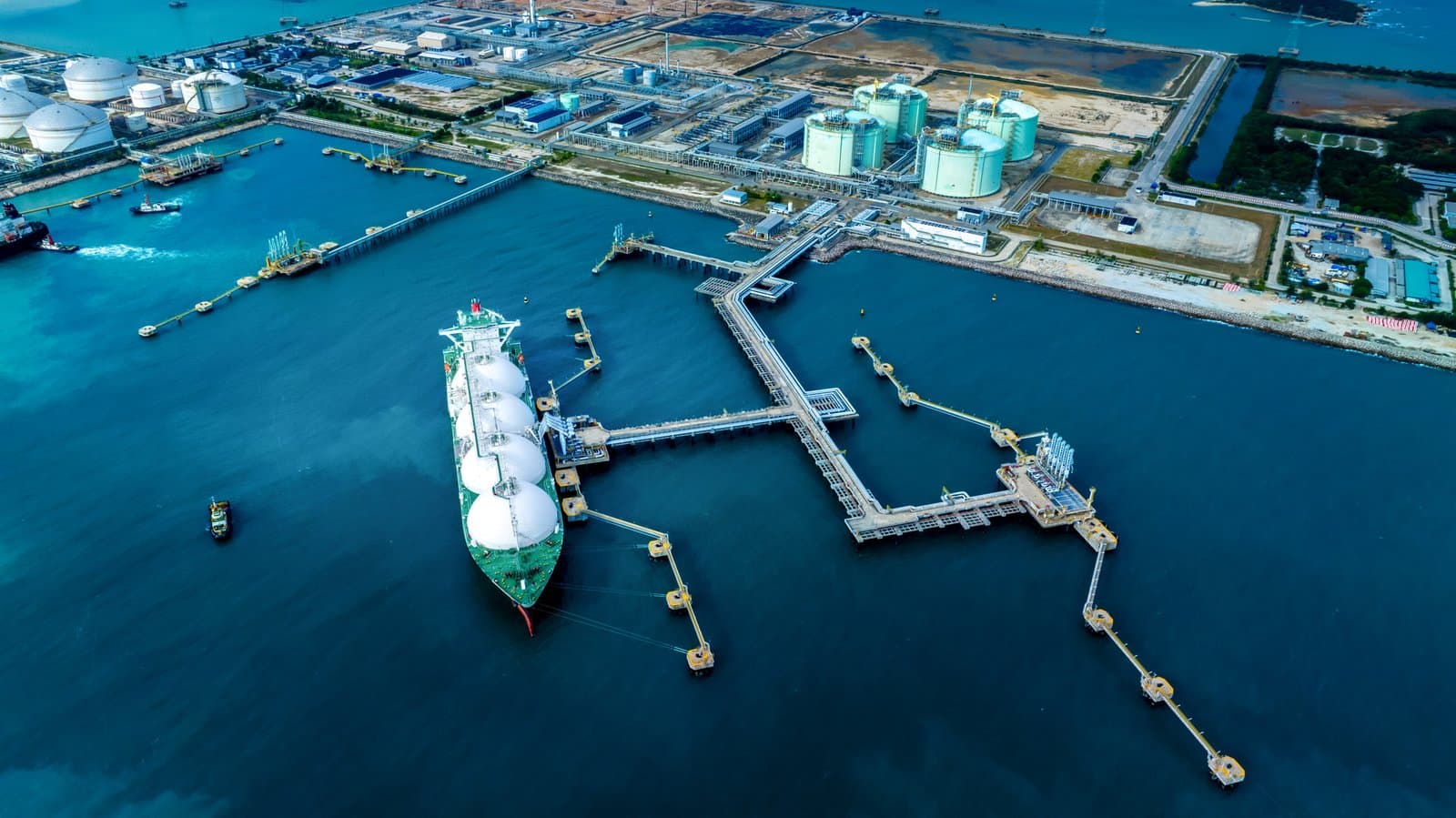
Ultra-low temp storage for LNG, LIN, LAR, LOX
Cryogenic storage isn’t forgiving, poor insulation, material mismatch, or flow control issues can lead to product loss, safety risks, or system failure. It demands precision, experience, and the right engineering from day one.
The Challenge
Why this solution exists
Cryogenic storage isn’t forgiving, poor insulation, material mismatch, or flow control issues can lead to product loss, safety risks, or system failure. It demands precision, experience, and the right engineering from day one.
BTV’s Approach
How we deliver it differently
- 01
Understand
Feasibility, site conditions, and operating parameters.
- 02
Engineer
Design to fit the media, capacity, and applicable standards.
- 03
Manufacture
In-house fabrication with stage-wise QA/QC.
- 04
Execute
Logistics, site installation, and testing.
- 05
Support
Commissioning, documentation, and lifecycle support.
Solution Overview
What Cryogenic Systems covers
Ultra-low temp storage for LNG, LIN, LAR, LOX
Key Capabilities
What we deliver
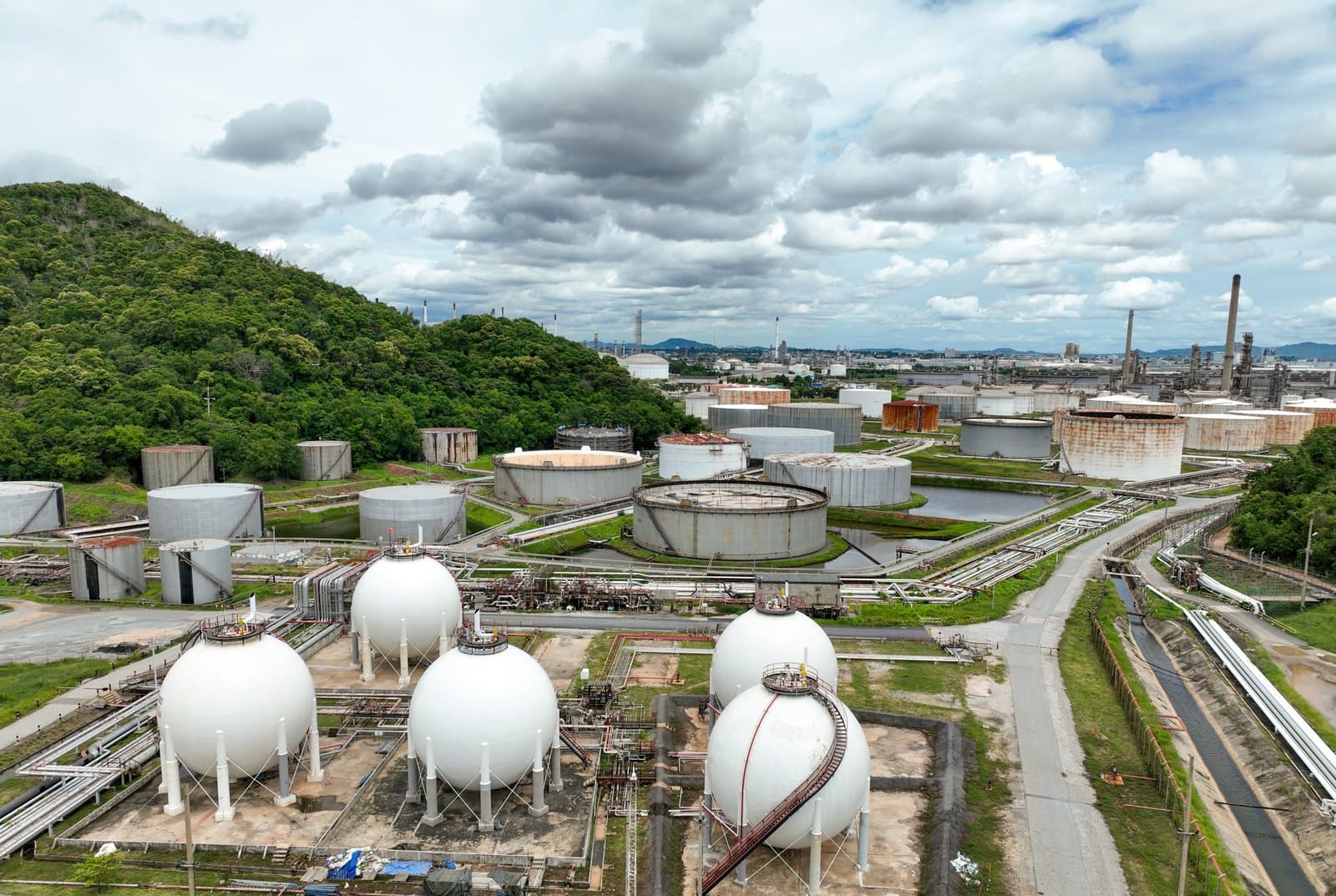
Vacuum-insulated cryogenic tanks for LNG, LIN, LOX, LAR
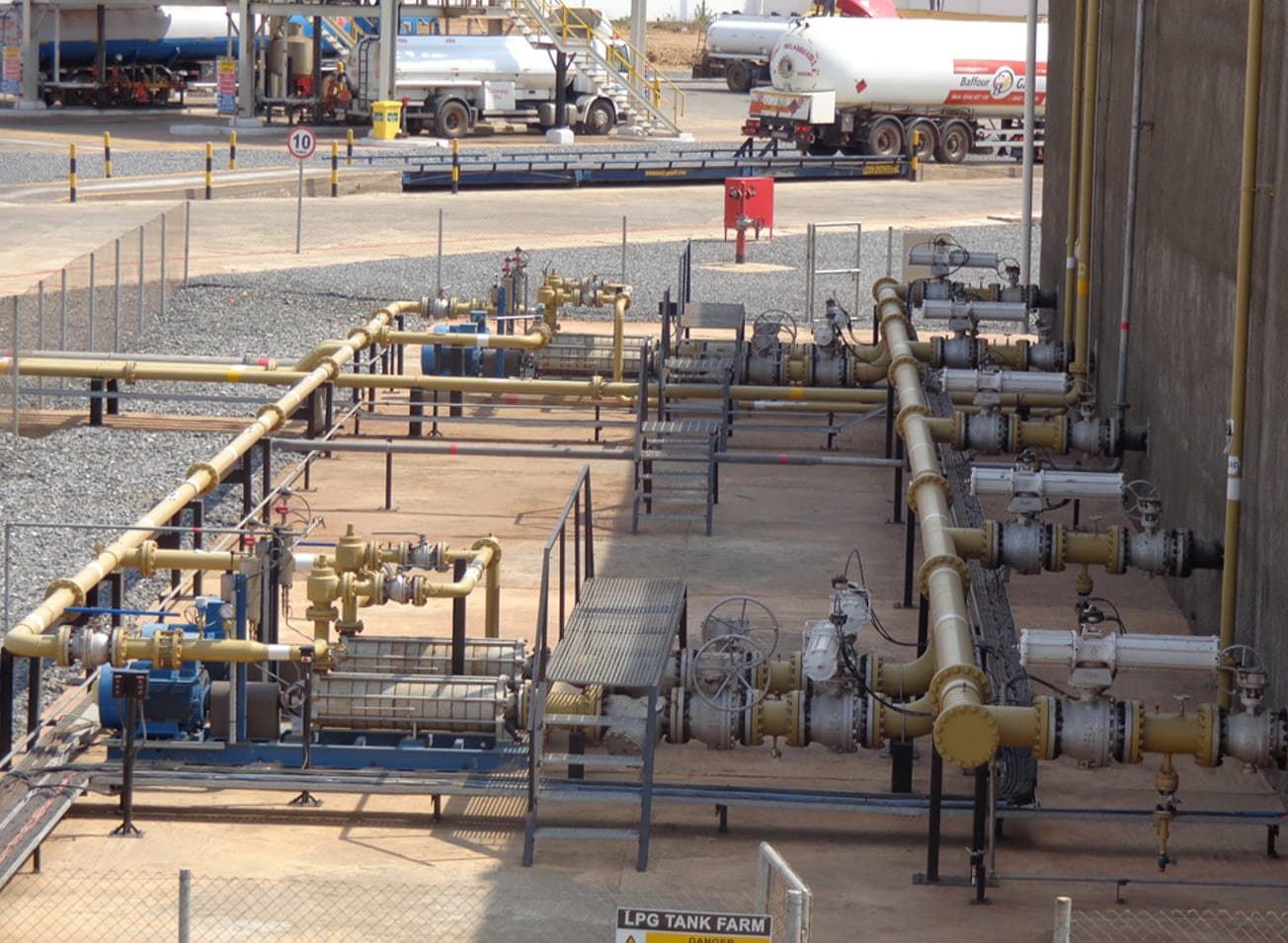
Vaporizers, cold boxes, and dual-line transfer systems
Complete skid-mounted or field-assembled cryo packages
Technical Specifications
Engineering reference
- Capacity
- Confirmed at project scope
- Dimensions
- Configuration-dependent
- Materials
- Selected per media compatibility
- Standards
- ASME / PED / ISO
- Operating conditions
- Site and duty specific
Exact specifications are confirmed at project scope.
Applications & Industries
Where it's used
Built to serve critical infrastructure across:
Engineering & Manufacturing Process
From consultation to lifecycle support
- 01
Consultation
Understand the requirement, constraints, and timeline.
- 02
Design & Engineering
Detailed engineering aligned to standards and duty.
- 03
Material & Fabrication
Sourcing, fabrication, and in-house quality checks.
- 04
Quality Inspection
Hydro, radiography, and ultrasonic testing as required.
- 05
Logistics
Packing and transport planning for the delivery site.
- 06
Installation
Mechanical erection and piping by trained site crews.
- 07
Commissioning
Site acceptance testing and handover documentation.
- 08
Lifecycle Support
Ongoing maintenance and operational support.
Performance & Benefits
What's in it for you
- Ultra-low boil-off rates with advanced insulation and sealing
- Systems built to handle thermal stress, cycling, and purity levels
- Delivered fully tested, with guaranteed performance at -196°C and below
Designed & manufactured according to
FAQ
Common questions
What lead time should I plan for a cryogenic systems project?+
Lead time depends on scope, capacity, and site conditions. Our team confirms a schedule during the feasibility stage.
Can the system be customised to our site and process requirements?+
Yes. Every system is engineered to the client's operating parameters, footprint, and applicable regulatory standards.
What standards and certifications apply?+
Design and fabrication follow ASME, PED, and ISO requirements, with additional certifications applied where the project geography requires it.
Does BTV handle installation and commissioning as well as fabrication?+
Yes. Delivery covers engineering, fabrication, site installation, testing, and commissioning under a single point of accountability.
You May Also Need
Related solutions

Have a project in mind?